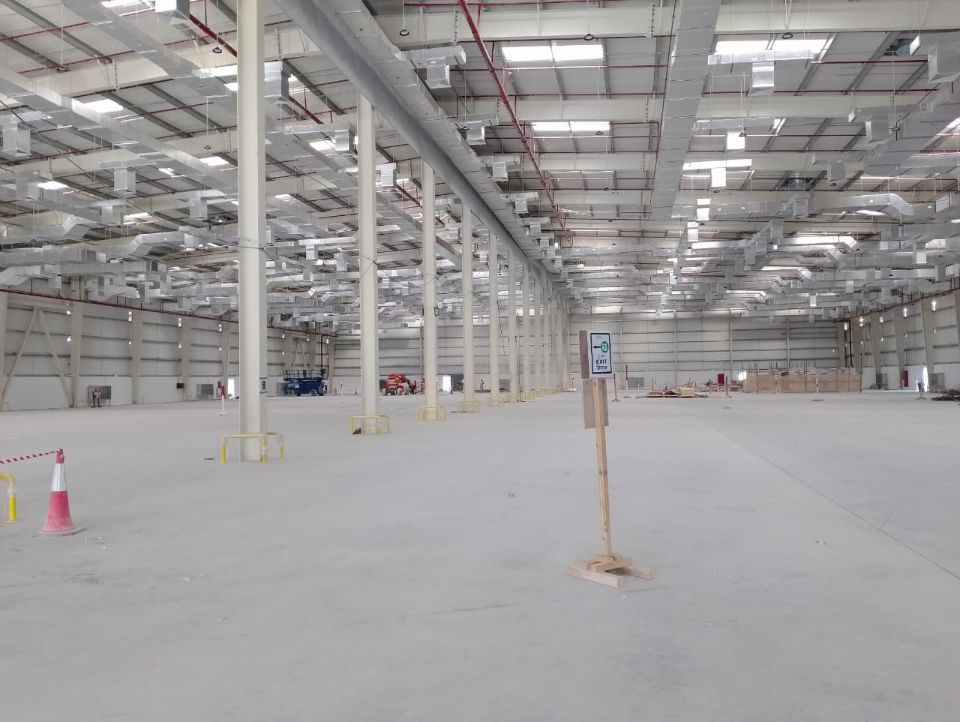
Finding the right warehouse feels good. Space for your stock, room to grow, a center for your operations. But the excitement of the space can fade if the rental agreement has problems. Your lease document is the real foundation of your business here. Look it over with care before you sign.
Here are key points to check in your Dubai warehouse for rent agreement.
Know what you are paying for:
The rent number is important. But you must understand what it includes. Ask about additional costs, often called ‘CAM’ or operating expenses. These cover property taxes, building insurance, and common area maintenance. Your agreement should state if these costs are included in your base rent or billed separately. Get a clear list of what the landlord can charge you for each year.
Describe your business use:
The agreement will have a “use” clause. This part says what activities you can do on the property. Ensure it matches your actual business. If you plan to assemble products, distribute goods, or run a retail counter, the language must allow for it. A vague or restrictive use clause can stop you from adapting your business later. If your work changes, you want the freedom to adjust.
Check the repair rules:
Warehouses want upkeep. The lease explains who fixes what. Who handles the roof, the loading dock doors, or the exterior walls? Who is responsible for the plumbing and electrical systems? Tenants often pay for repairs inside their rented space. Landlords usually handle the main structure. These duties should be written in plain language. Surprise repair bills can strain your budget.
Plan for the long term:
Your lease will last for several years. Think about what happens after that. Look for renewal options. This gives you the right to stay for another term, often at a pre-set rent increase. Also, understand the termination conditions. Can you leave early if your business changes? What are the penalties? Knowing your exit choices is as important as knowing how to get in.
Ask about changes you can make:
You will likely want to adjust the space. You may want to add racking, paint walls, or install a office. The agreement will talk about “alterations” or “tenant improvements.” See what changes you can make without the landlord’s permission. Always check who pays for these changes and what must be returned to the original state when you leave. Get approval for major plans in writing before you start work.