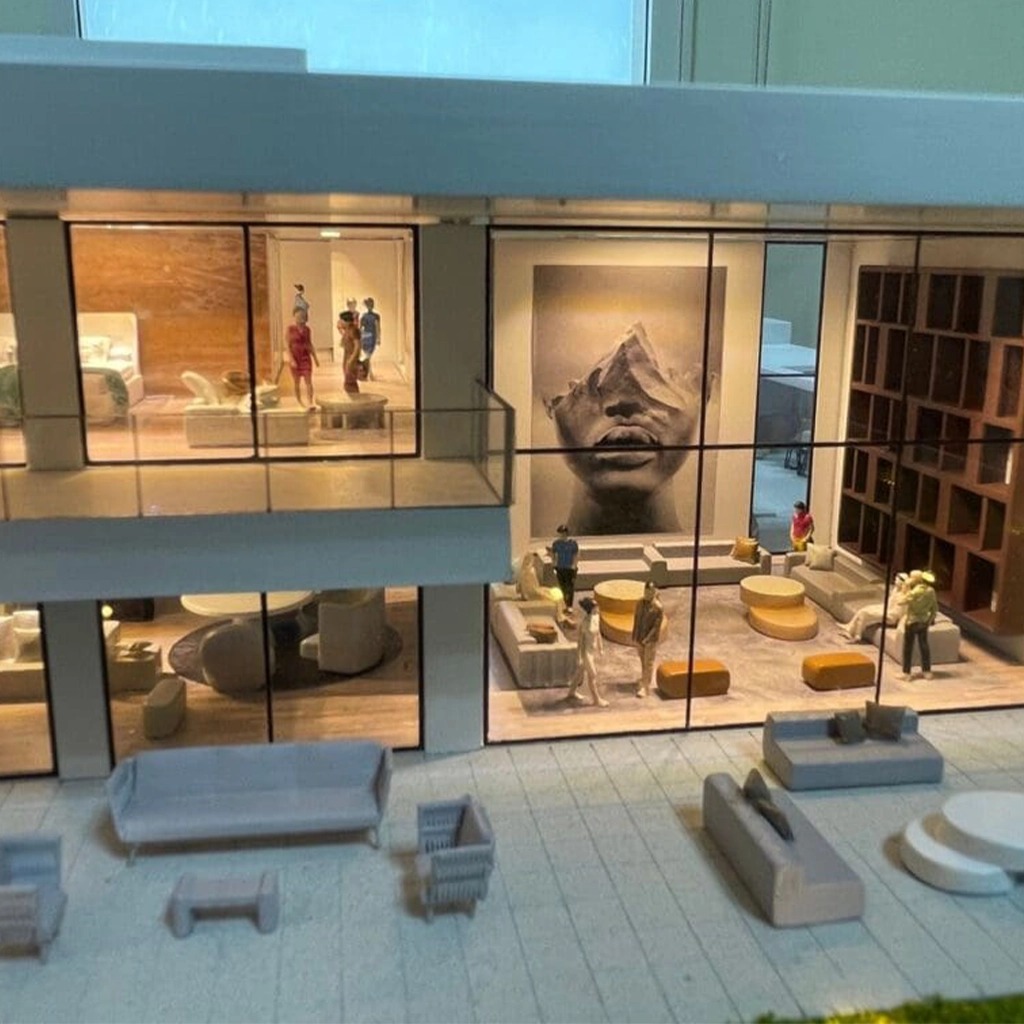
Renders live or die by material choice. That rough wood texture conveys age and weather, while glossy metal screams modern precision. A single material shift alters lighting response and shadow depth, reshaping every pixel.
The correct surface definition brings authenticity to virtual spaces, making viewers forget they stare at code. Consider rendering Dubai where material decisions define architectural realism.
Surface response
Materials interact with light through specific physical properties. Roughness determines how light scatters across a surface, creating either soft reflections or sharp highlights. Metallic values control reflectance intensity, changing how surrounding colors bounce onto the object. These parameters work together, producing visual outcomes that either convince or disappoint the observer’s eye.
Color absorption and reflection patterns
Every material absorbs certain light wavelengths while reflecting others back to the camera. Dark fabrics swallow illumination, creating depth and mystery. Bright ceramics bounce light everywhere, filling adjacent surfaces with warm tones. This color bleeding effect ties the entire scene together, making objects appear connected rather than floating separately.
Texture maps and detail fidelity
Resolution on texture maps directly affects perceived realism in the final output. High-resolution images capture microscopic surface variations, from fabric weaves to stone grain patterns. Low-resolution maps introduce blurriness, destroying the illusion of tangible objects. Bump and displacement maps add three-dimensional geometry, creating shadows that sell surface authenticity.
Environment interaction consequences
Materials react differently to surrounding environmental conditions within the scene. Glass transmits background elements while distorting them through refractive properties. Metal mirrors nearby objects, reflecting colors that change depending on viewing angle. Translucent materials scatter light internally, producing soft glow effects that imitate natural substances. Each material choice modifies how the entire environment appears through reflected or transmitted light.
Performance considerations during production
Complex material networks with numerous texture samples increase computation time considerably. Heavy shaders with multiple layered textures slow iterative feedback, frustrating creative workflows. Optimized materials maintain visual quality while enabling faster test renders. Balancing visual ambition against computational reality produces efficient production pipelines that deliver results promptly.
Final composite harmony
Individual material success matters less than collective visual harmony within the finished frame. Contrast between rough and smooth surfaces creates visual interest throughout the composition. Cohesive material language prevents jarring transitions that break viewer immersion. Attention to material consistency across objects establishes believable worlds. Purposeful variation adds richness without sacrificing unity. The final render transforms from technical exercise into visual experience when materials sing together perfectly.